At Keys to Success, we believe healing and growth can be nurtured through the right words, stories, and shared experiences. This page is a curated space where we share a variety of media—books, articles, videos, and more—that have positively impacted our clients on their unique journeys toward sobriety and wellness.
Whether explored in group discussions or one-on-one sessions, these resources have sparked reflection, connection, and hope. Each recommendation has been thoughtfully selected with the intention of supporting and inspiring you wherever you are in your recovery process.
Please be aware that some of the materials may contain content that could be emotionally triggering. We encourage mindful engagement, and suggest using tools like The StoryGraph—a helpful website and app that offers detailed content warnings and reviews to guide your choices.
Thank you for being here. We invite you to explore, reflect, and return as often as you’d like.

Brianna Wiest’s ‘The Mountain Is You’ reframes self-sabotage as a learned survival strategy rather than a flaw in character. The mountain represents internal obstacles—trauma, shame, fear—that must be faced with intention and courage. The book emphasizes emotional awareness, habit change, and self-accountability—key elements in long-term sobriety and healing. Wiest’s message is clear: we are not beyond healing, and meaningful change is always possible.
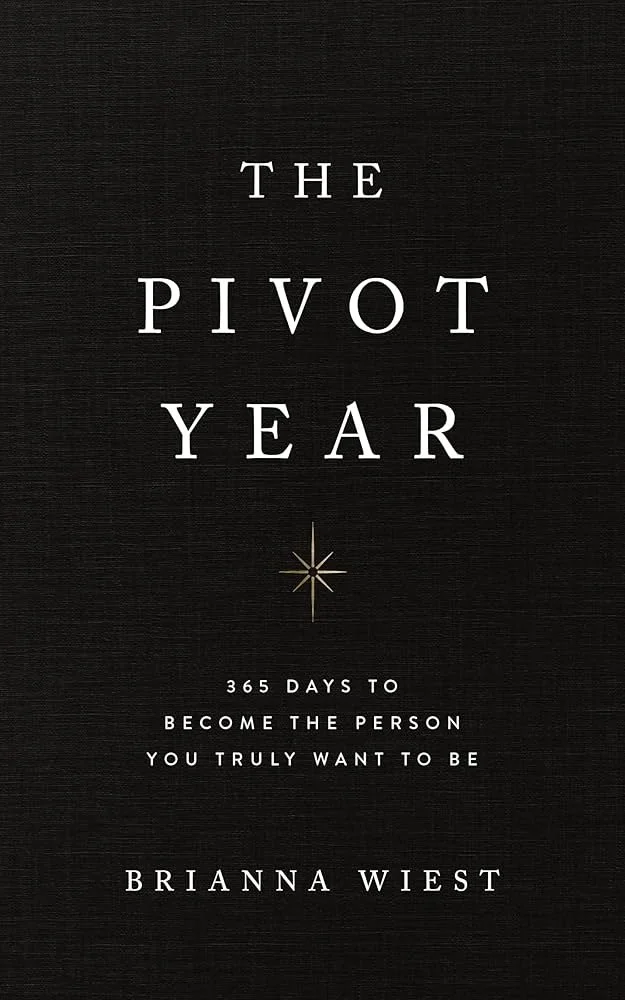
‘The Pivot Year’ by Brianna Wiest is a personal growth book structured around 365 daily meditations, reflections, and prompts that encourage readers to pause, turn inward, and live with greater intention. Rather than chasing external success, the book emphasizes inner alignment, self-compassion, and conscious choice. It gently reframes discomfort and transition as necessary parts of growth and offers steady support for navigating periods of change.
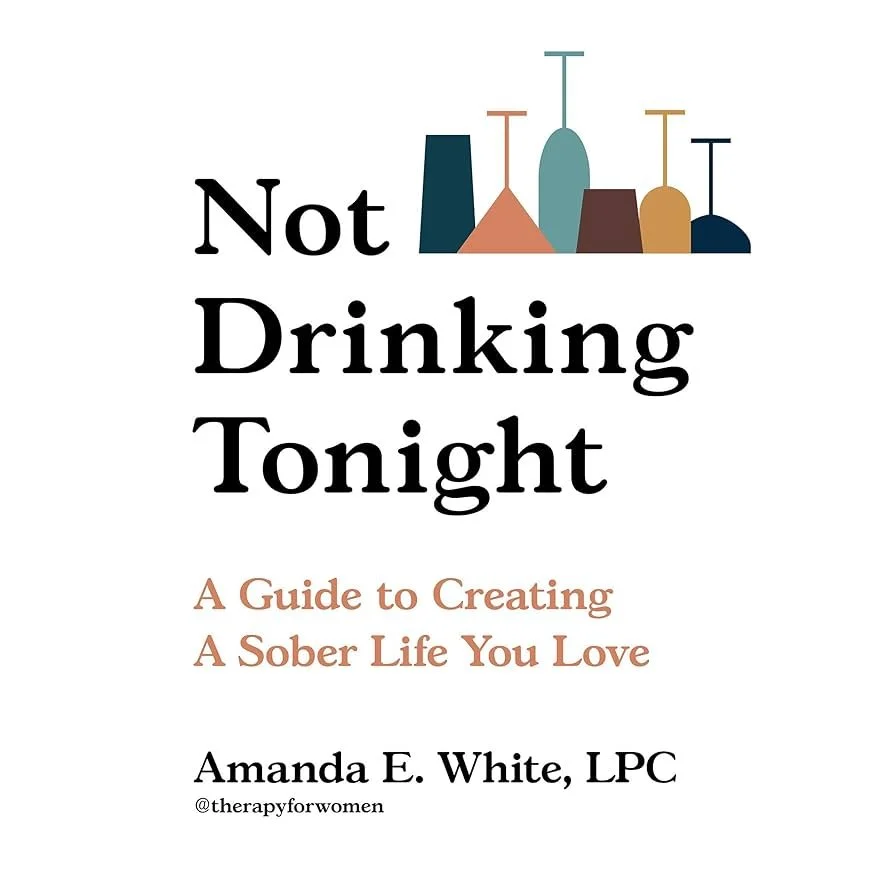
‘Not Drinking Tonight’ explores why we drink, how to repair our relationship with alcohol, and how to build a meaningful sober life. Through the lens of three imagined women in therapy, Amanda White brings clinical expertise with a personal, relatable voice. Instead of shame, she invites readers to explore their habits with curiosity and self-compassion. As a standalone book, it offers deep insight, practical tools, and encouragement. A complementary workbook expands on key topics such as emotional regulation, boundary-setting, relapse prevention, and navigating sobriety in relationships and social settings.
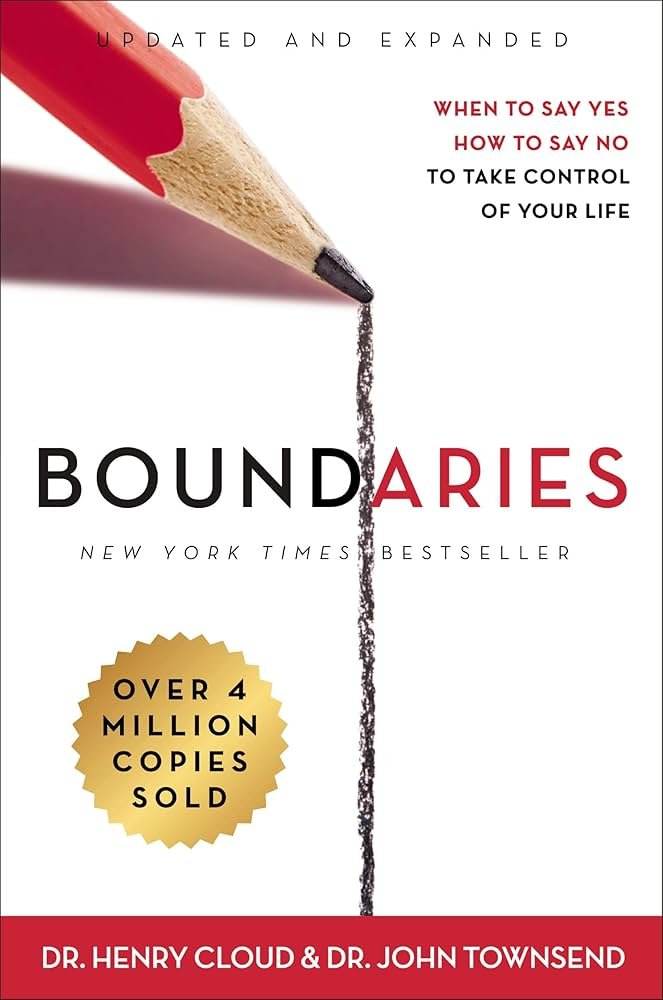
‘Boundaries: When to Say Yes, How to Say No to Take Control of Your Life’ is a practical Christian-based guide by Dr. Henry Cloud and Dr. John Townsend that focuses on creating healthy personal limits in all areas of life—emotional, relational, physical, and spiritual. The authors compare boundaries to personal property lines, showing how they define where you end and others begin. The book emphasizes personal responsibility and teaches that saying “no” isn’t selfish, it is a necessary step in protecting your well-being.

Love TED Talks? So do we!
While TED's usage policy doesn’t allow us to host their videos directly on our business website, we’re more than happy to share our top picks with you. Just reach out—we’d love to recommend our favorite talks and podcasts!

Mel Robbins’ ‘The Let Them Theory’ offers a mindset shift rooted in emotional health and boundary-setting. Rather than reacting to how others view us, Robbins suggests we focus inward—allowing others the freedom to be themselves while protecting our peace. This approach encourages autonomy and healing from codependency, and honors the progress we make on our own terms.
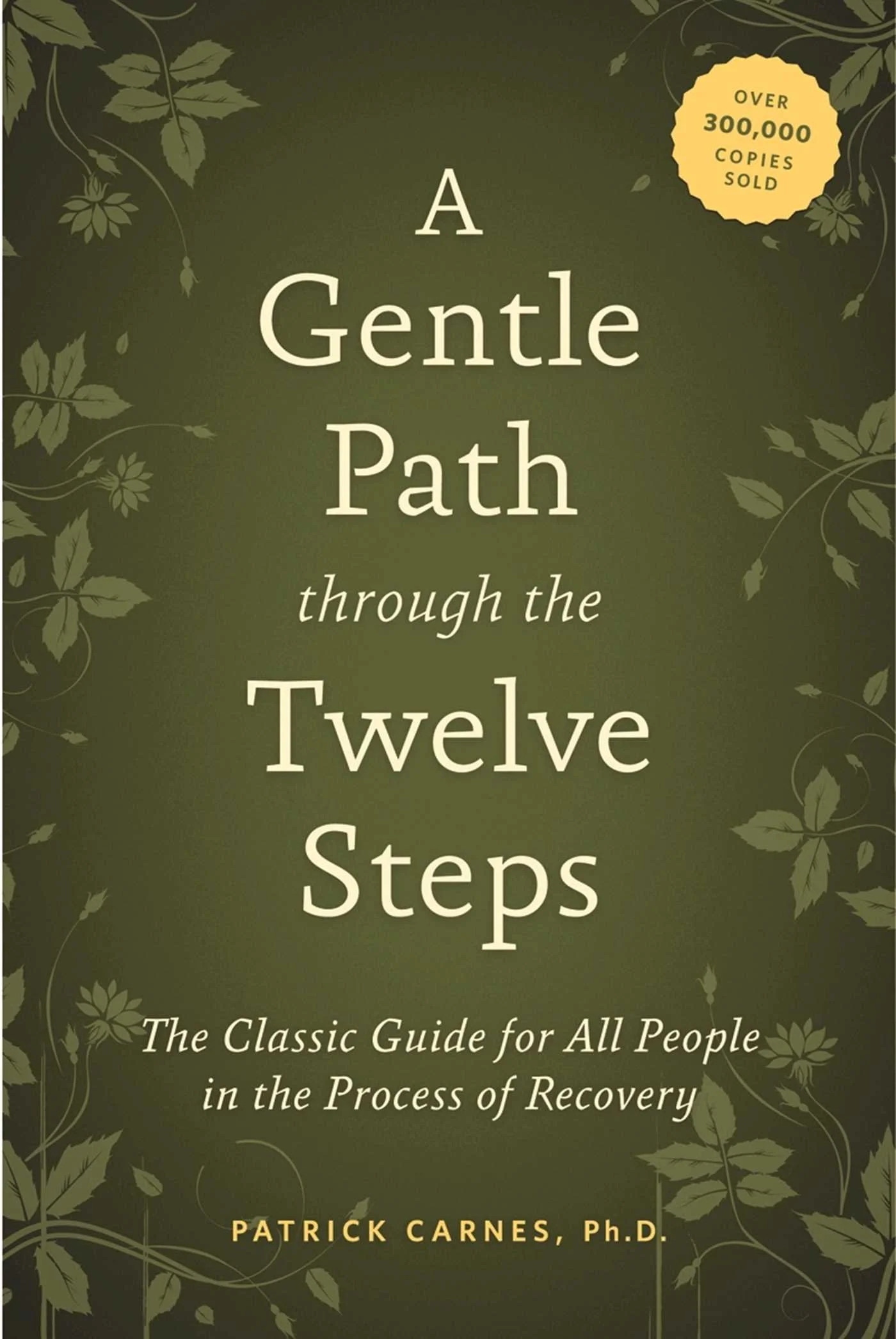
‘A Gentle Path through the Twelve Steps’ lives up to its name, offering a compassionate and approachable guide through the Alcoholics Anonymous Twelve Steps. Written with a warm, reflective tone, it simplifies the traditional step work without losing depth. Carnes structures the book as an interactive workbook, incorporating questions, exercises, and personal reflections for each step. Carnes explores the emotional roots of addiction, including trauma, family background, and shame, helping readers better understand themselves and begin real, long-term healing.
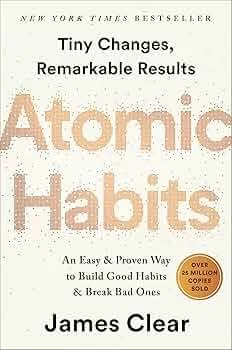
‘Atomic Habits’ by James Clear explores how small, consistent actions compound over time into long term results. Rather than chasing perfection, the book highlights the power of steady progress and the importance of making better choices today regardless of yesterday. Through clear visuals, simple brain science, and practical strategies, Clear explains how habits are formed, why we fall back into old patterns, and how to build lasting, identity-based habits that support meaningful change.
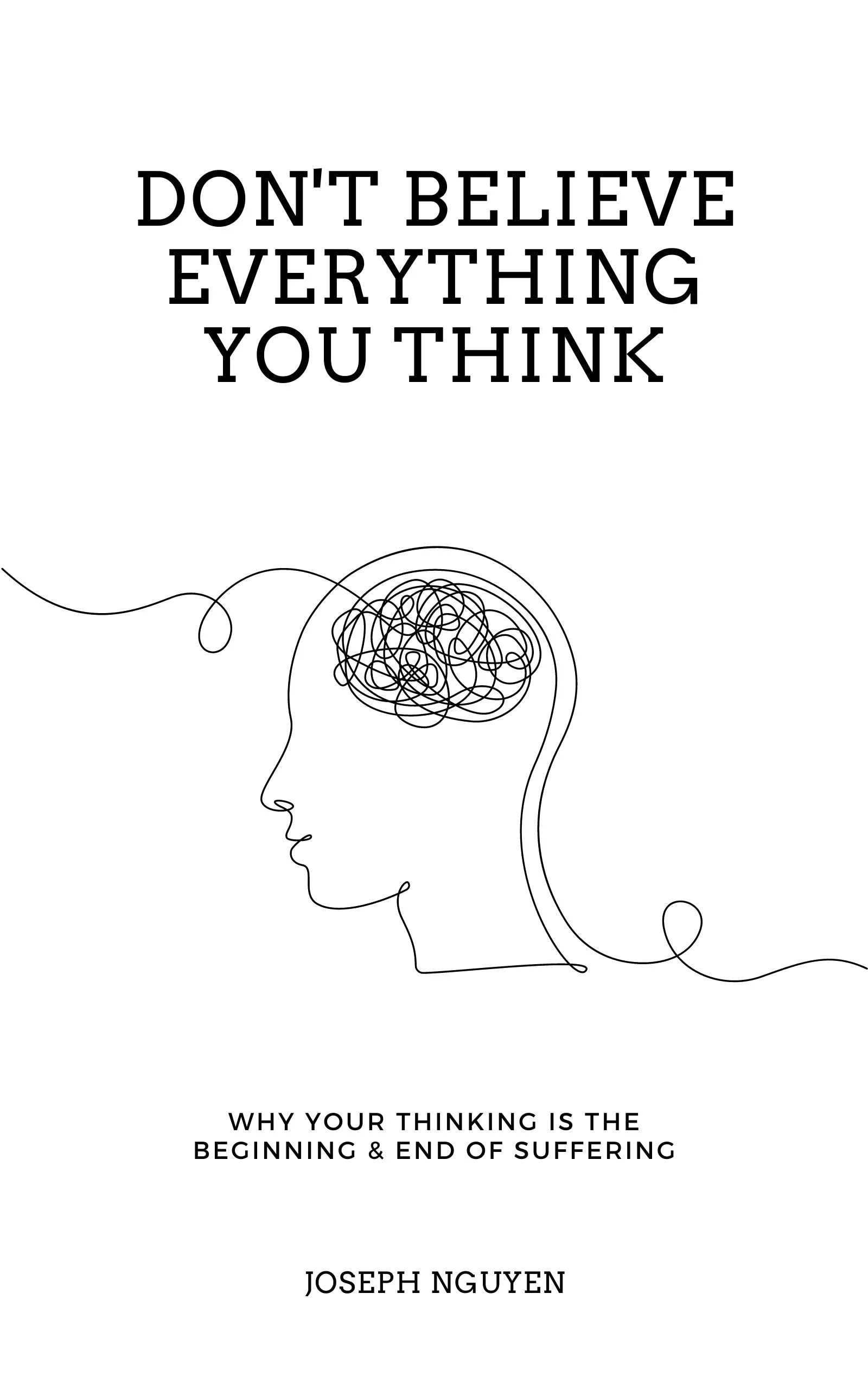
‘Don’t Believe Everything You Think’ by Joseph Nguyen is a self-help book that explores how our thoughts influence our emotional experiences and how unquestioningly accepting them can lead to ongoing distress. The book highlights the crucial difference between having thoughts and believing them as truth- a shift that can reduce anxiety, emotional suffering, and self-criticism. Nguyen encourages minfulness and presence over rumination, helping readers regulate emotions without pushing them away.
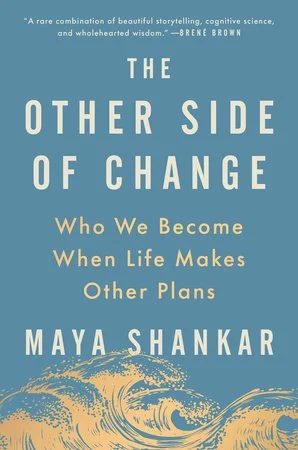
‘The Other Side of Change’ by Maya Shankar examines how people navigate major life disruptions, and how those experiences shape who we become on the other side. Blending cognitive science, real-world stories, and her own experiences with loss and change, Shankar shows how moments of upheaval can create opportunities for growth, not just survival. The book encourages flexibility and resilience in uncertain times, and provides practical, research backed strategies for adapting to life’s turning points.
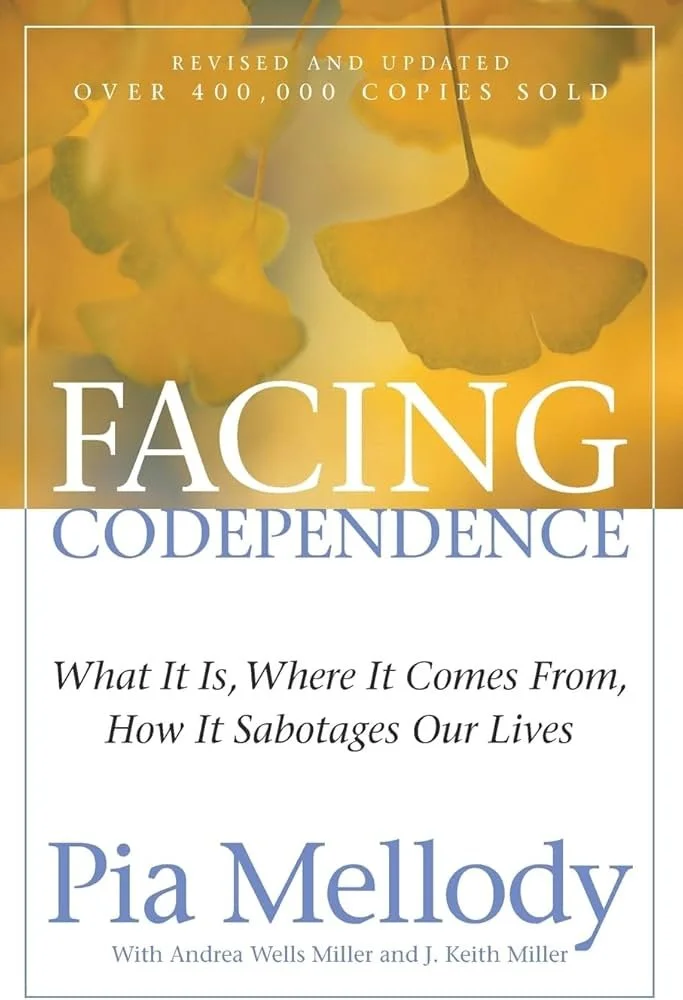
In ‘Facing Codependence’, Pia Mellody breaks down codependency as a pattern that develops from early experiences like trauma or neglect. She looks at where it comes from, how it shows up, and how people can recover from it. Because the same underlying issues often fuel both codependency and addiction, the book also helps readers learn healthier boundaries and work through deeper emotional pain that can drive addictive patterns.
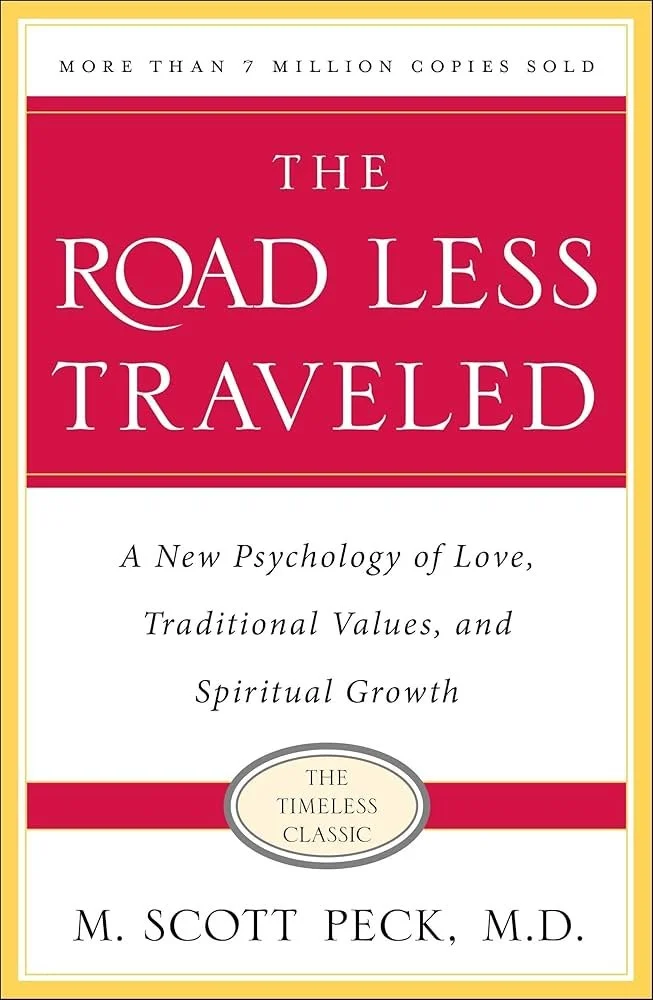
In The Road Less Traveled, M. Scott Peck explains that personal growth takes discipline, self-awareness, and a willingness to face hard truths. He starts with the idea that life is inherently difficult, and that accepting this is the first step toward growth. The book encourages taking responsibility, practicing self-discipline, and understanding love as something that helps people grow—not something based on control or dependence. At its core, it shows that real change comes from facing challenges head-on and being willing to endure discomfort in order to grow.
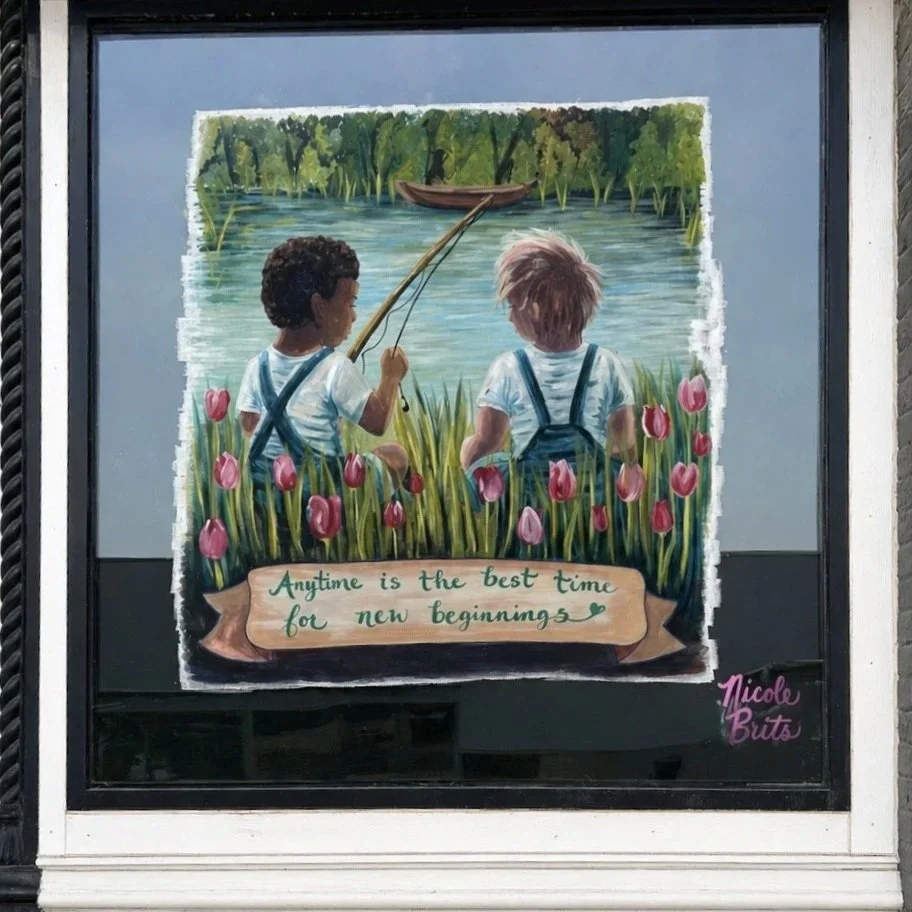
Anytime is the Best Time for
New Beginnings.
There is no perfect moment to quit or start over. There is not an ideal Monday waiting to line everything up, no magical “rock bottom” that suddenly makes the decision easy, and no version of you that wakes up feeling completely ready. Most beginnings are quieter.
A new beginning is not something marked by a date on a calendar or a dramatic turning point. It is a decision made in an ordinary moment. It happens when you choose, even with hesitation, to do something different than you did before.
You do not need a clean slate, a new year, or perfect conditions to start over. You can begin in the middle of the mess, in the middle of a Tuesday, in the middle of not feeling ready. You can start while things are still uncertain, while your confidence is still forming, even after setbacks or missteps.
A new beginning means you can start while things are still chaotic, without feeling confident, even after slipping up. Your past does not disqualify you, and your timing does not have to be perfect. The only requirement is a decision in the present moment.
And that decision does not immediately fix everything. It does not organize your life overnight or erase what came before. It simply opens the door.
The cleaning up comes later.
There will be time to clear out what no longer belongs. Time to empty the cupboards of what has been harmful and make space for nourishment instead. Time to sort through the closet, letting go of what no longer fits the life you are trying to build. Time to take care of the car, to remove the buildup of old habits and overlooked messes from too many hard miles. Time to tend to the bathroom, because real change asks for environments that support healing, not contradiction.
But that part is not today.
Today is for the decision. For the quiet, sometimes overwhelming moment of saying, “I am beginning.” Even if that is all that happens today. Even if it feels unfinished or too big or too simple to matter.
That is enough.
Anytime is the best time for new beginnings.
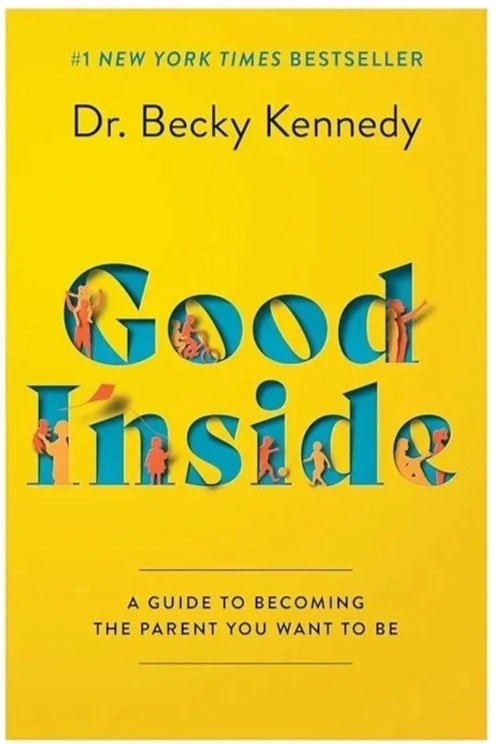
Good Inside by Becky Kennedy is a parenting book built on the belief that children are inherently good, even when their actions are challenging. Dr. Kennedy encourages parents to examine their own childhood and family patterns to better understand the emotions and reactions that surface when parenting. Key points include: repairing relationships after conflict, creating clear boundaries while fostering connection, approaching emotions with curiosity instead of shame, and recognizing that a child's behavior does not define their worth.
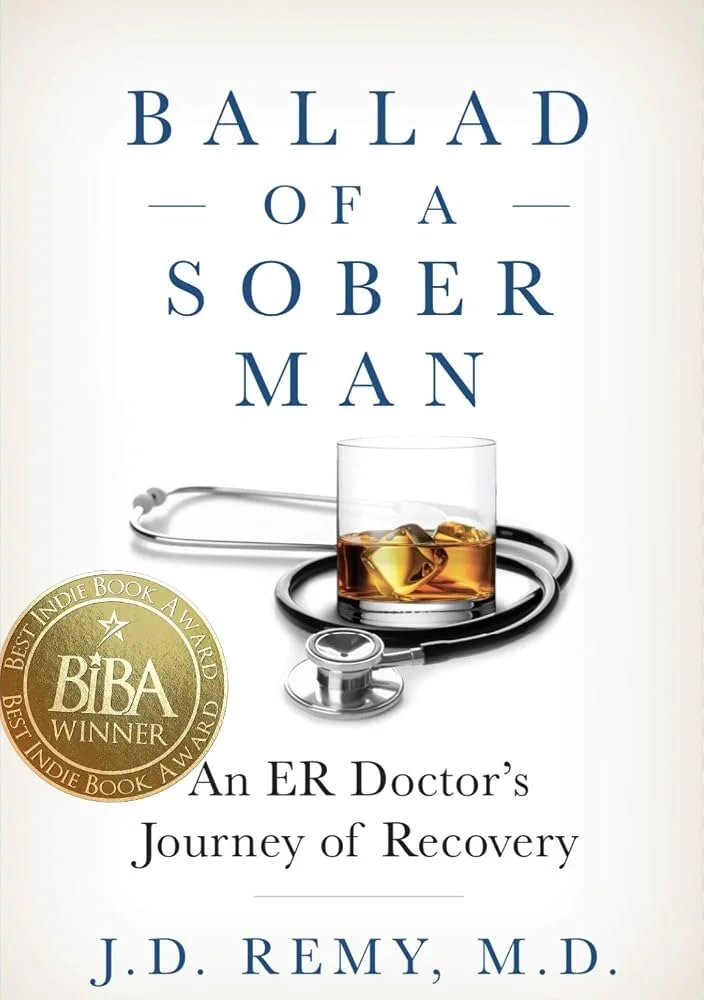
Ballad of a Sober Man is a memoir by J.D. Remy, an emergency-room physician whose alcoholism cost him much of what mattered most in his life. While the book addresses the devastating consequences of addiction, its primary focus is on recovery—rebuilding relationships, confronting shame, finding support in community, and creating a meaningful life in sobriety. Remy's story demonstrates that addiction can affect people from all walks of life and offers a realistic yet hopeful portrayal of the challenges and rewards of recovery through the Twelve Steps.
Let us provide you with resources!
If one of these books catches your interest, do not hesitate to reach out to our office as we often have extra copies available to share.
Prefer listening over reading? We would be happy to help you find audiobook versions.
Enjoyed one of the videos? Let us know, we can recommend others that align with your interests or current season of growth.
Noticing a pattern in many of the books encouraging journaling? That is no coincidence—and we have journals ready for you!
Recovery is one step at a time. Choosing to walk this path takes strength, support, and regular encouragement. Let us partner with you by helping you find tools and resources that keep you grounded, inspired, and moving forward.